
Post Name

Modern cars rely heavily on large navigation and infotainment screens. These displays are used constantly and exposed to scratches, fingerprints, dust, heat and direct sunlight. Repairs are expensive, and replacement screens can cost several hundred euros. A hydrogel screen protector adds a thin, flexible layer that guards the display without affecting clarity or touch response.
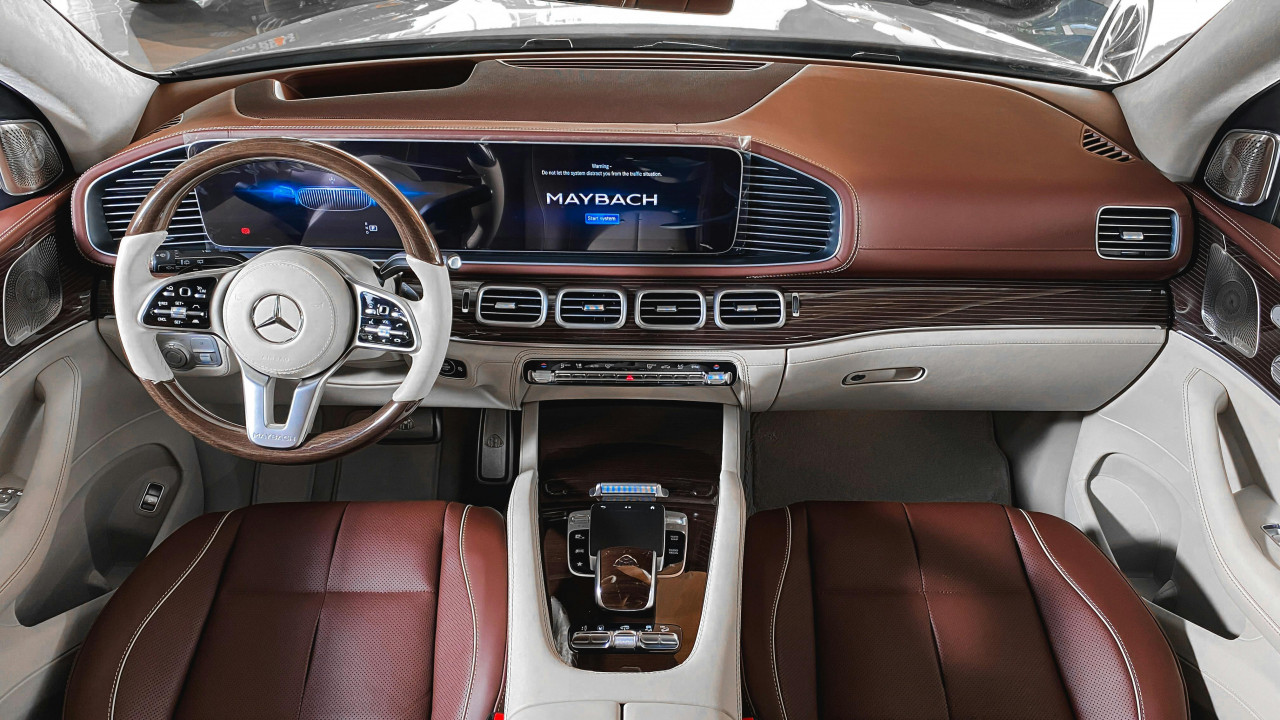
Premium and Luxury Models


Premium brands adopted large infotainment screens early, making them among the most likely to benefit.

BMW models such as the 3 Series, 5 Series and X5 use wide, high-resolution displays (up to 14.9”).

Audi cars like the A4, A6 and Q5 include 10–12” touchscreens.

Mercedes-Benz models such as the C-Class, E-Class and GLC use vertically oriented 11–12” MBUX screens.

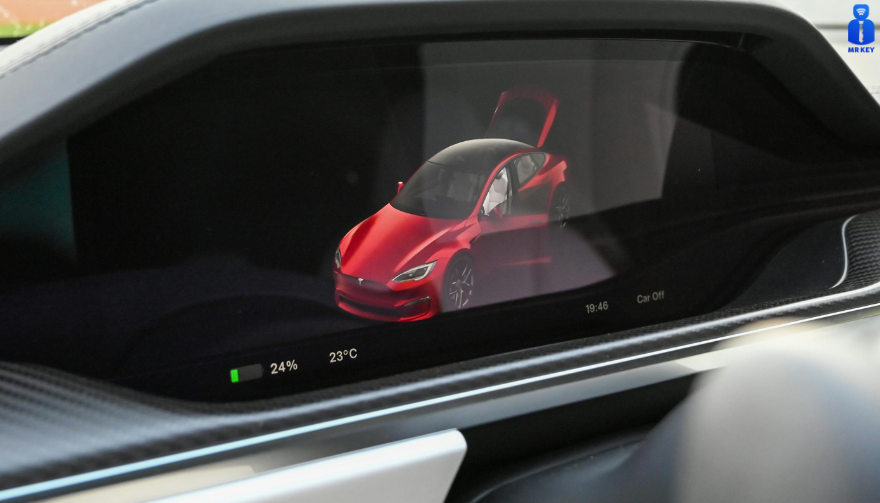
Porsche vehicles (Cayenne, Macan, Panamera) and Tesla models (Model 3, Y, S) use some of the largest screens in Europe.

These vehicles benefit significantly from a hydrogel protector thanks to their large surfaces and frequent touch use.

Popular European Models


Mainstream European cars now feature screens as large as luxury models.

Volkswagen offers 10–15” displays in models such as the Golf, Tiguan and Passat.

Škoda uses up to 13” screens in the Octavia, Superb and Kodiaq.

Dacia equips models like the Jogger, Duster and Sandero with 7–10” displays.

Toyota (Corolla, RAV4, Yaris Cross).

 Renault (Captur, Clio, Megane E-Tech).

Peugeot (208, 3008, 5008)

 Citroën (C4, C5 Aircross)

 Nissan (Qashqai, Juke, Leaf) 

Ford (Focus, Kuga)

Kia (Sportage, Ceed, Niro, Picanto, Stonic, Rio, Sorento)

all rely on large central touchscreens.

As screens grow in size across all price segments, protection becomes increasingly important.

Benefits of Hydrogel Screen Protectors


Hydrogel film is thin, flexible and adheres tightly. It works on flat and curved surfaces where tempered glass cannot. The material absorbs small impacts and can self-heal minor marks. With its anti-glare properties It keeps the display clear, maintains original brightness and preserves smooth touch performance. It also helps reduce smudges and makes daily cleaning easier.

Once you’ve chosen a hydrogel protector for your car, the next step is applying it correctly. Follow our step-by-step guide on how to install a hydrogel navigation screen protector for a perfect bubble-free result.
Who Needs Hydrogel Protection the Most?


Any car with:

a large touchscreen (8” or more)

glossy glass prone to fingerprints

curved edges

high cabin sun exposure

Hydrogel is especially useful for daily drivers, family cars and vehicles where multiple people interact with the system.

Rental, Company and Service Vehicles Benefit Even More


Cars used for business—such as rental cars, company vehicles, fleet cars, taxis, and service vehicles—experience significantly higher daily usage than private cars. Their navigation screens are touched constantly by different drivers, exposed to dust, temperature changes and frequent cleaning.

Because of this heavy wear, screens in rental and company vehicles are far more likely to show scratches, fingerprints and long-term damage. A hydrogel dashboard screen protector adds a durable layer that absorbs daily abuse, keeps the display clear for every driver and reduces maintenance costs for fleet managers.

For any vehicle that is shared or driven by multiple users, screen protection is not just useful—it’s essential.


FAQ


What is a hydrogel screen protector?

A thin, flexible film that protects a car’s navigation or dashboard display.

How is it installed?

Clean the screen, align the film and press it down. Dry installation is recommended.

What are the benefits?

Scratch resistance, impact absorption, reduced fingerprints and full coverage on curved screens.

Is it compatible with all cars?

Yes, if you choose a protector cut for your specific model.

Does it affect touch response?

No. Hydrogel keeps full touch accuracy.

How long does it last?

Usually 1–3 years, depending on use. Easy to replace.

Hydrogel vs tempered glass?

Hydrogel fits curved screens and absorbs impacts. Glass is harder but can crack and does not cover complex shapes. For more in depth guide check out Hydrogel vs Tempered Glass Navigation Protectors Comparison

How can I protect my car’s navigation screen from scratches and fingerprints?

If you want to know more about How to Protect Your Car’s Navigation Screen from Scratches and Fingerprints check out our guide.


Visit mr-key.com to find a custom-cut hydrogel protector for your car model.


Related Guides

How to Install a Hydrogel Navigation Screen Protector

How to Protect Your Car’s Navigation Screen from Scratches, Glare & Fingerprints

Hydrogel vs Tempered Glass Navigation Protectors Comparison

Related Posts

Pioneering Innovations in Cars: A Journey Through 150 Years

Pioneering Innovations in Cars: A Journey Through 150 Years

The automotive industry has undergone extraordinary changes in the last 150 years. From the earliest steam-powered engines to today’s smart, electric vehicles, cars have become symbols of innovation, convenience, and human progress. This article explores the most groundbreaking innovations that have defined car history, driving us into the future. 1. The Birth of the Car (Late 19th Century) The late 1800s marked the beginning of the automobile industry with the invention of the first cars. Key Milestone: Karl Benz’s creation of the Benz Patent-Motorwagen in 1885-86 was a game-changer. Impact: For the first time, individuals could travel independently without relying on horses or trains. This innovation laid the foundation for a new era of personal transportation. 2. The Rise of Mass Production (Early 20th Century) The early 1900s brought cars to the masses through assembly line production. Key Milestone: Henry Ford’s introduction of the moving assembly line in 1913 revolutionized car manufacturing. Impact: Cars became affordable and accessible to ordinary people, leading to the widespread adoption of automobiles. The Model T became a symbol of this industrial transformation. 3. The Era of Safety Innovations (1950s–1970s) As cars became common, safety innovations took center stage. Key Milestones: Seatbelts: Volvo introduced the modern three-point seatbelt in 1959. Airbags: Developed in the 1970s to provide additional protection during crashes. Impact: These innovations drastically reduced injuries and fatalities, making cars safer for all passengers. Safety continues to be a driving force behind car innovations today. 4. Fuel Efficiency and Environmental Consciousness (1980s–2000s) The late 20th century witnessed a shift towards eco-friendly car innovations. Key Milestones: Introduction of hybrid cars like the Toyota Prius (1997). Stricter emission regulations led to cleaner, more efficient engines. Impact: Consumers and manufacturers started prioritizing fuel efficiency and reducing environmental impact. This period laid the groundwork for the electric car revolution. 5. The Digital Revolution in Cars (2000s–2020s) Modern cars are no longer just machines; they’re smart devices on wheels. Key Innovations: GPS Navigation: Real-time navigation made travel simpler and safer. Infotainment Systems: Touchscreens and voice controls for entertainment and information. Driver Assistance: Features like parking sensors, adaptive cruise control, and collision alerts. Impact: Technology has transformed driving into a more connected, comfortable, and efficient experience. 6. Electric and Autonomous Cars (The Future is Here) The future of cars lies in sustainability and autonomy. Key Innovations: Electric Vehicles (EVs): Companies like Tesla popularized EVs, offering zero-emission driving. Autonomous Driving: Self-driving technology is advancing rapidly, promising safer and more efficient transportation. Impact: Electric and autonomous cars represent a monumental leap towards reducing environmental impact and redefining mobility. The next 50 years will likely see even bolder transformations. From steam engines to self-driving electric vehicles, the car has come a long way. Each era brought innovations that shaped not just how we travel but also how we live. As technology continues to evolve, the possibilities for cars seem endless. Whether it’s improving safety, reducing emissions, or offering autonomous capabilities, cars will remain at the heart of human progress.

The Environmental Impact of Car Manufacturing: A Deep Dive into Its Global Consequences

The Environmental Impact of Car Manufacturing: A Deep Dive into Its Global Consequences

The automobile industry has long been a driving force of economic growth and technological advancement. However, beneath its sleek exteriors and high-speed innovations lies a significant environmental footprint. From the extraction of raw materials to the assembly line and eventual disposal, every stage of a car's life cycle carries substantial ecological consequences. As the world grapples with climate change and resource depletion, it is imperative to assess the environmental impact of car manufacturing and explore sustainable alternatives. Resource Extraction: The Hidden Cost of Manufacturing Before a car even reaches the production line, the journey begins with the extraction of raw materials. The automotive industry relies heavily on metals such as steel, aluminum, and lithium, all of which require energy-intensive mining operations. Steel and aluminum production involve large-scale mining activities that contribute to deforestation, soil degradation, and biodiversity loss. The World Steel Association estimates that steel production alone accounts for 7-9% of global CO2 emissions. The demand for lithium and cobalt, key materials in battery production, has led to extensive mining operations in countries like Chile and the Democratic Republic of Congo. These activities have been linked to water shortages, toxic waste, and human rights violations. The environmental impact of resource extraction does not end at the mines. Refining these materials also emits significant greenhouse gases and pollutants that affect both the atmosphere and local ecosystems. Energy Consumption and Carbon Footprint in Production The manufacturing process itself is a major contributor to carbon emissions. Producing a single vehicle requires immense amounts of energy, primarily derived from fossil fuels. Car factories depend on energy-intensive machinery for stamping, welding, painting, and assembling components, with most facilities still relying on non-renewable energy sources, exacerbating their carbon footprint. According to the International Energy Agency (IEA), the automotive industry accounts for roughly 10% of total global CO2 emissions. While traditional internal combustion engine (ICE) vehicles release an average of 4.6 metric tons of CO2 annually, even EV production is not emission-free due to battery manufacturing. Water Usage and Pollution in Car Manufacturing Water is a crucial resource in vehicle production, used for cooling systems, paint shops, and cleaning processes. On average, it takes up to 151 cubic meters of water to manufacture a single car. This excessive water consumption poses a severe strain on local water supplies, especially in arid regions. Furthermore, wastewater from factories often contains hazardous chemicals, heavy metals, and microplastics. If not properly treated, these contaminants can seep into local water bodies, affecting marine ecosystems and public health. Air Pollution and Toxic Emissions Beyond CO2, car manufacturing emits various pollutants that contribute to poor air quality and respiratory illnesses. The painting and coating processes release volatile organic compounds (VOCs), which contribute to smog formation and have been linked to lung diseases. Emissions from factory operations and power plants used to supply energy to car manufacturing facilities contribute to nitrogen oxides (NOx) and particulate matter pollution, leading to acid rain and cardiovascular diseases. Waste Generation and Recycling Challenges The car manufacturing process generates vast amounts of waste, from metal scraps and plastic components to hazardous chemicals and non-recyclable materials. While a large percentage of scrap metal can be recycled, many plastic and composite materials used in modern cars are difficult to process. With the rise of EVs, battery disposal is a growing concern. Many lithium-ion batteries contain toxic elements like lead and cadmium, posing environmental hazards if not properly recycled. Global Efforts Toward Sustainable Car Manufacturing Recognizing the urgency of reducing their ecological impact, car manufacturers are gradually shifting toward greener alternatives. Companies like Tesla and BMW are integrating solar and wind power into their production facilities to reduce reliance on fossil fuels. Some automakers are exploring the use of recycled aluminum, biodegradable plastics, and sustainable textiles to minimize waste. Many factories are implementing closed-loop water recycling systems to reduce water consumption and prevent pollution. Efforts to promote sustainability in the industry include: The use of renewable energy sources such as solar and wind in manufacturing plants. Innovative recycling programs that repurpose old car parts and materials. Improvements in energy efficiency within production lines to reduce emissions. Adoption of cleaner, alternative materials for car interiors and body structures. Electric Vehicles: A Double-Edged Sword? While EVs are often touted as the future of sustainable transportation, their production still presents environmental challenges. The extraction and refining of lithium, nickel, and cobalt require vast amounts of energy and water, sometimes offsetting the carbon savings of driving an EV. An EV’s overall sustainability depends on the energy grid it charges from. In coal-dependent regions, EVs may not offer a significant reduction in emissions compared to efficient hybrid vehicles. The Road Ahead for a Greener Auto Industry The environmental impact of car manufacturing is a multifaceted challenge that requires a collaborative effort from governments, corporations, and consumers. Transitioning toward sustainable production practices, investing in recycling infrastructure, and promoting clean energy solutions are crucial steps in mitigating the industry's ecological footprint. As consumers, we can contribute by supporting manufacturers committed to sustainability, opting for fuel-efficient or electric vehicles, and advocating for stricter environmental policies. The road to a greener automotive industry is long, but with continued innovation and commitment, a more sustainable future is within reach.

How to Choose the Correct Key for Your Westfalia Towbar

How to Choose the Correct Key for Your Westfalia Towbar

Westfalia towbars are a common choice for many car owners due to their reliability and ease of use. However, because you may use your Westfalia towbar key sporadically throughout the year, it’s not uncommon to misplace it, often at the most inconvenient times—like when you're about to go on vacation. If you've lost your key , you might not know the number of the key you need to order a replacement. Fortunately, there is a way to determine this, depending on whether your towbar lock has a 3-digit or a 5-digit number. Step 1: Check the Number on Your Towbar Lock The first step is to inspect your towbar lock to see if it has a 3-digit or 5-digit number. Here’s what to do next: Sample picture of how 5-digits lock number looks like. If you have a 3-digit number: Unfortunately, the key code remains unknown based on this number alone. We can only manufacture a new key if you have at least one original key and can provide us with the W** or 2W** code from it. If you have a 5-digit number: You're in luck! You can easily determine the correct key code. The key code is based on the last two digits of the 5-digit lock number, prefixed with "2W". Step 2: Calculate Your Key Code If your towbar lock has a 5-digit number, simply ignore the first three digits and use the last two digits. Prepend "2W" to these digits to form the key code. For example, if the code on your lock is 33322 , then your key code is 2W22 . This code will be the number you provide when ordering a replacement key. Even if your 5-digit lock code starts with a different set of three digits, the method remains the same—ignore the first three and focus on the last two digits. For your convenience, we include our key code generator below. What to Do If You’ve Lost All Your Keys If you have lost all your keys and only have the 5-digit number on the lock, you can still determine the correct key using the method described above. Unfortunately, if your lock only has a 3-digit number, the specific key code cannot be determined based on the number alone. Remember, the key code is crucial for obtaining a replacement key. If the towbar was manufactured after 2008, the 5-digit code on the lock cylinder will allow you to identify the correct key. Simply use the last two digits and prefix them with "2W" to get the key code. If you're ever unsure, it's always a good idea to reach out to the manufacturer or a professional who can assist in identifying the correct key. Conclusion Choosing the correct key for your Westfalia towbar is straightforward if you know what to look for. By following these steps, you can quickly determine the correct key code and ensure you're never stuck without access to your towbar when you need it most. Be sure to keep your key code information safe, and consider having a spare key made to avoid future issues. Click Here To Order Your Westfalia Towbar Key >>

TSA Locks: Why They Matter for Car Owners

TSA Locks: Why They Matter for Car Owners

TSA Locks: Why They Matter for Car Owners As a car owner, you may not immediately consider the importance of a TSA-approved lock for your vehicle, especially when it comes to travel. However, these specialized locks can offer an added layer of security and convenience, particularly when you’re transporting your vehicle or luggage through airports, shipping services, or even while storing it during a trip. But what exactly is a TSA lock, and why should you, as a car owner, care about it? In this article, we break down everything you need to know about TSA locks, how they work, and why they could be beneficial for both you and your vehicle. What is a TSA Lock? A TSA lock is a special type of lock that has been designed to meet the standards set by the Transportation Security Administration (TSA). These locks are typically used for luggage, but their benefits extend to car owners who want to secure their valuables during travel. What sets TSA locks apart from standard locks is their unique feature: TSA agents can unlock these locks using a master key. This allows them to inspect your belongings if needed without damaging your lock or luggage. These locks are often used for suitcases, travel bags, and in some cases, for securing items inside a vehicle while it's being shipped or stored. Why Should Car Owners Consider TSA Locks? While TSA locks are primarily used for luggage, there are several ways car owners can benefit from them: 1. Convenience for Travel If you're shipping your car or using long-term parking at an airport, you may want to secure your vehicle's trunk or compartments. TSA-approved locks give you peace of mind knowing that any inspections required by airport security or shipping agents won't result in your lock being broken. 2. Extra Layer of Security When you’re transporting your vehicle across state lines or internationally, you’ll likely want to keep valuables like electronics, tools, or personal items in the car. A TSA-approved lock ensures that, should security personnel need to access your vehicle, they can do so without causing damage. 3. Compliance with Shipping Regulations Certain vehicle shipping services may require TSA-approved locks as part of their protocols. These locks provide an easy way for shipping carriers to inspect your vehicle without having to call you for permission every time an inspection is necessary. By using TSA-approved locks, you comply with industry regulations and simplify the process. How Do TSA Locks Work? TSA locks are equipped with a special mechanism that allows TSA personnel to unlock them using a universal key. When you use a TSA-approved lock, you set your own combination or use a key for the lock. The TSA agents have access to a master key that fits all TSA locks, allowing them to inspect the contents of your luggage or vehicle safely. These locks are typically used for things like bags, briefcases, or car storage compartments. They provide the added benefit of security, knowing that your belongings are locked but still accessible for inspection when necessary. How to Choose the Right TSA Lock for Your Vehicle If you’re considering a TSA lock for your car, there are a few things to keep in mind: Size and Fit : Make sure the TSA lock fits the compartments or storage areas you intend to secure, whether it’s the trunk, glove box, or internal storage. Durability : Look for locks made of high-quality materials, such as stainless steel or reinforced plastic, to ensure they stand up to wear and tear during transit. Ease of Use : Choose a lock that you can easily open and close but that remains secure against tampering. Approval : Always ensure that the lock you purchase is TSA-approved. You can usually find the TSA logo on the packaging or lock itself. Are TSA Locks Necessary for Every Car Owner? While TSA locks offer multiple benefits, they aren’t absolutely necessary for every car owner. If you rarely travel with your car or if you don’t need to transport it across borders, a standard lock might be sufficient for your needs. However, for those who ship their car regularly or for long-term travelers, TSA-approved locks are a great investment. Whether you're shipping your vehicle, storing it during travel, or just want an extra layer of security, TSA locks can provide the assurance that your belongings remain secure—and that airport security or shipping agents can access your vehicle if needed without causing damage. TSA locks may seem like a small detail, but for car owners who frequently travel, ship their vehicles, or store valuable items inside their cars, they can make a big difference. With the convenience, security, and compliance they offer, TSA-approved locks provide peace of mind, knowing your car and belongings are safe during the travel process. Next time you're preparing for a trip, consider investing in a TSA-approved lock to make your journey a little easier and a lot more secure. This revised blog provides an informative, engaging overview of TSA locks and their relevance to car owners. It emphasizes both convenience and security while addressing the potential benefits for those who travel or ship their vehicles regularly.

Chat with us