
Post Name

Finding the right replacement key for your roof rack doesn't have to be a nightmare — if you know where to look.

Whether you've lost your Thule key on a ski trip, snapped a Mont Blanc key in the lock, or simply want a spare before disaster strikes, this guide covers everything: how roof rack key systems work, how to find your key code, which key fits which brand, and where to order a replacement fast.

How Roof Rack Locking Systems Work

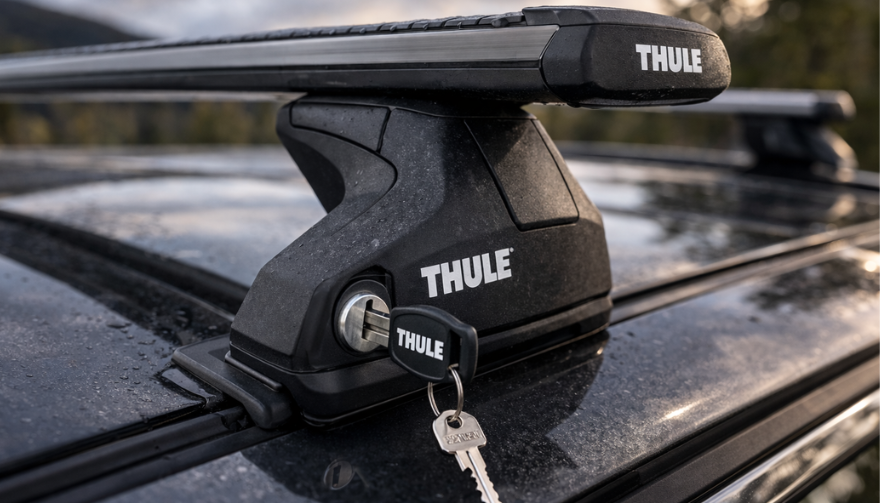
Most roof racks — Thule, Yakima, Mont Blanc, Whispbar — use a barrel-style lock cylinder operated by a small, flat-profile key. Unlike car keys, these keys are not electronically coded. They are purely mechanical, which means replacement is straightforward — provided you know your key code.

The code is stamped directly onto the lock cylinder or listed in your rack's original documentation. That code tells the manufacturer (and a replacement supplier) exactly which key blank to cut.

No code? You still have options. More on that below.

The Four Most Common Roof Rack Key Brands

Thule

Thule is the dominant brand in Europe and North America. Their lock systems use the N-series key codes (e.g. N001–N200+), clearly stamped on the lock barrel. Thule One-Key System locks share a single user-chosen code across all lock points — a major convenience and a reason to keep a spare.

Key types: flat, small-profile, often with a distinctive squared bow.

See our full guide: [Thule Roof Rack Key Replacement: How to Find Your Code and Order the Right Key]

Yakima

Yakima uses a SKS (Same Key System) — one key code operates all locks on your rack. Codes are typically found on the lock core itself. Yakima keys have a round bow profile and a distinct blade pattern.

Popular code ranges: SKS-101 through SKS-132 and beyond.

Mont Blanc

Mont Blanc roof racks are common across Europe. Their keys use a numeric code system printed on a small sticker inside the lock or on a code card supplied at purchase. Many Mont Blanc keys share profiles with generic "FO" or "MB" series blanks.

GIVI and Other Brands

GIVI produces roof boxes and racks primarily for the motorcycle and touring market. Key codes are typically found on the product label or lock face. Other brands — Kamei, G3, Farad — often use ISO-standard barrel profiles with numeric codes.
How to Find Your Roof Rack Key Code

This is the single most important step. Without the code, you cannot order the correct replacement key.

Check these locations in order:

  1. The lock barrel itself — most manufacturers stamp the code directly on the visible face of the lock cylinder
  2. Your original paperwork — the key card or code card supplied at point of sale
  3. The rack manufacturer's website — some brands (Thule, Yakima) offer code lookup tools using serial number
  4. Receipt or order confirmation — if you registered your rack online, the code may be on file
  5. A locksmith or rack dealer — they can sometimes decode the lock visually or by impressioning

If you cannot find the code and the lock is accessible, a specialist supplier can often identify the correct key from photos of the lock face.

Can You Replace a Roof Rack Lock Without the Key Code?

Yes — but it requires more steps.

Option 1: Lock replacement. Order a new lock cylinder for your rack model. You'll get a new key with it. This costs more but solves the problem completely.

Option 2: Locksmith decoding. A locksmith can decode the existing lock and cut a matching key — useful when the lock is still in place and functional.

Option 3: Contact the manufacturer. Thule and Yakima both have customer service processes for lost key codes, particularly if you registered the product.

Option 4: Photo identification. Send a clear photo of the lock face to a specialist supplier. Experienced teams can identify the key code from the keyway profile and stamping.

Spare Keys: Why You Need One Before You Need One

The worst time to discover you need a roof rack key is standing in a car park with a loaded bike rack you can't unlock.

A replacement key from mr-key.com typically costs under €10. A locksmith call-out, a wasted trip, or a full lock replacement costs far more.

Buy a spare when:

  • You've just purchased a second-hand rack with only one key
  • You're heading on a long trip with expensive cargo
  • You're lending the rack to someone else
  • You've already lost one key once

Keep the spare somewhere separate from your main key — not on the same keyring.

Ordering the Right Key: A Step-by-Step Checklist

Before you order, confirm:

  • Brand — Thule, Yakima, Mont Blanc, GIVI, other
  • Key code — stamped on lock or from documentation
  • Quantity — one replacement or two (spare included)
  • Lock type — some racks have two lock types (e.g. foot lock + bar lock with different codes)

If you're ordering for a Thule One-Key System, confirm whether the code covers all your lock points or just one.

Roof Rack Key Replacement: What It Costs

Mechanical roof rack keys are not expensive. A correctly coded replacement from a specialist supplier typically costs €5–€15 per key, depending on brand and profile.

Avoid generic "universal" keys — they don't exist for barrel-style rack locks. The code is specific. An incorrectly matched key will not turn the cylinder.

Full lock cylinder replacements cost more — typically €20–€50 per lock point — but are sometimes the only option when the code is completely unknown.

FAQ

Q: Can I use a car key cutting machine to cut a roof rack key? A: Yes — most roof rack keys use standard key blanks that any key cutting machine can handle. The critical input is the correct key code for your brand and model.

Q: My Thule lock says N121 — what key do I need? A: You need a Thule N121 replacement key. This is a specific code in Thule's N-series range. Search by this exact code when ordering.

Q: Are Thule and Yakima keys interchangeable? A: No. Thule and Yakima use different keyway profiles. A Thule key will not operate a Yakima lock and vice versa.

Q: How many keys does a Thule One-Key System come with? A: Typically two keys per lock set. If you've lost both, you'll need to order by the N-series code stamped on the lock face.

Q: Can I order a roof rack key without the code? A: It's difficult but not impossible. Send a clear photo of your lock face to a specialist supplier. Some brands also offer code lookup via registered serial number.

Q: How long does replacement key delivery take? A: From mr-key.com, most European destinations receive orders within 2–5 business days depending on country and carrier.

Q: What if the wrong key arrives? A: A reputable supplier will exchange or refund. Always double-check the code before ordering to avoid this.

Q: Is it safe to store my key code somewhere? A: Yes — photograph the code stamped on your lock and save it to cloud storage. This makes future replacements instant.

Order Your Roof Rack Replacement Key Today

You now know exactly what you need. Don't wait until you're locked out on the roadside.

Visit mr-key.com to find your replacement roof rack key by brand and code. We stock keys for Thule, Yakima, Mont Blanc, GIVI, and more — shipped across Europe within days.

Shop Roof Rack Replacement Keys at mr-key.com

Related Posts

The Benefits of Smart Car Keys: A Leap Into the Future of Automotive Convenience

The Benefits of Smart Car Keys: A Leap Into the Future of Automotive Convenience

Smarter, Simpler, Safer Imagine walking toward your car, and instead of fumbling through your bag or pockets for keys, your vehicle recognizes your presence and unlocks itself. This convenience is not a futuristic concept—it’s the reality of smart car keys, an innovation that has redefined automotive technology. As vehicles become more advanced, smart keys are becoming indispensable for drivers seeking security, convenience, and style. But what exactly makes smart keys so revolutionary? Let’s explore their features and benefits. What Are Smart Car Keys? Smart car keys, also known as proximity keys or keyless entry systems, use advanced technology to simplify the interaction between you and your vehicle. Unlike traditional keys or even remote fobs, smart keys rely on radio frequency identification (RFID) or Bluetooth to communicate with your car. Once within a specific range, the car recognizes the key, unlocking the doors and enabling push-button ignition. These keys offer far more than just access and starting capabilities. They are designed to enhance security and integrate features like personalized settings, making them a step ahead of conventional systems. From luxury sedans to electric vehicles, smart keys are rapidly becoming a standard feature in modern cars. The Key Benefits of Smart Car Keys One of the most noticeable advantages of smart keys is their unmatched convenience. Imagine walking to your car with hands full of groceries or during a rainstorm. With a smart key in your pocket or bag, the car automatically unlocks as you approach, eliminating the need to dig around for your keys. Similarly, starting the engine is as simple as pressing a button, streamlining the driving experience. Smart keys also prioritize security. Unlike traditional keys that can be duplicated, smart keys use encrypted communication to connect with the vehicle. This encryption ensures that unauthorized users cannot access or start the car. Some smart systems even include anti-theft mechanisms that disable the engine if the key is not detected nearby, adding an extra layer of protection. Moreover, many smart keys are equipped with customizable features. Depending on the car, they can store and recall settings such as seat positions, climate control preferences, and mirror adjustments. Some even allow for remote control of the car via a smartphone app, enabling users to lock, unlock, or preheat their vehicle with a simple tap on their phone. Smart Keys Around the World: Trends and Adoption The use of smart keys is growing globally, with different regions adopting the technology at varying rates. In developed markets like North America, Europe, and Japan, smart keys have become standard in mid-range and luxury vehicles. These regions, driven by technological advancements and consumer demand, are setting the pace for smart key adoption. In emerging markets, traditional keys are still more prevalent due to their affordability. However, the demand for smart keys is on the rise, especially among buyers of premium cars. As automotive manufacturers expand their offerings, smart keys are becoming accessible to a broader audience. The future of smart keys is even more exciting. Many automakers are exploring app-based systems and biometric authentication, such as fingerprint or facial recognition. These innovations aim to further integrate vehicles into the digital ecosystems of their owners, offering seamless connectivity and enhanced personalization. Challenges of Using Smart Keys While smart keys bring significant advantages, they are not without their challenges. One of the primary concerns is the cost of replacement. Losing a smart key can be expensive, with replacements often requiring programming by a dealership or specialized locksmith. This cost is significantly higher than that of traditional keys. Another issue is the potential vulnerability to hacking. Relay attacks, where thieves amplify the signal from a smart key to unlock a vehicle, are a known risk. While manufacturers are continually improving encryption methods, owners should take precautions, such as using signal-blocking pouches, to protect their keys. Battery life is another consideration. Smart keys depend on batteries, and if the battery dies unexpectedly, you may find yourself locked out of your car. Most manufacturers include a physical backup key or emergency override options, but staying mindful of your key’s battery status is essential. Why Smart Keys Are the Future Smart keys represent more than just a technological advancement—they symbolize a shift in how we interact with vehicles. Their ability to enhance convenience, security, and personalization makes them a must-have feature for modern drivers. As cars become increasingly integrated with digital ecosystems, smart keys are expected to evolve, incorporating features like biometric security and deeper smartphone integration. For drivers, this evolution means a more intuitive and tailored experience. From automatically adjusting settings based on the detected key to integrating with smart home systems, smart keys are paving the way for a connected and seamless future. Embrace the Smart Key Revolution Smart car keys are more than a luxury; they are becoming an essential tool in modern driving. Their convenience, advanced security, and customizable features make them a game-changer in automotive technology. However, as with any innovation, understanding their potential challenges and how to address them is crucial. Whether you’re unlocking your car as you approach or starting the engine with a simple button press, smart keys represent a leap forward in convenience and functionality. As automotive technology continues to advance, smart keys are leading the charge, offering a glimpse into a future where cars seamlessly adapt to our needs.

The Ultimate Guide to Car Key Replacement: What You Need to Know

The Ultimate Guide to Car Key Replacement: What You Need to Know

Locked Out? Here’s What to Do Next Imagine this: you’re rushing to an important meeting or trying to get your kids to school, only to discover you’ve lost your car keys or locked them inside your vehicle. Panic sets in, and the inconvenience seems insurmountable. Losing or damaging your car keys is a frustrating, but surprisingly common problem. Luckily, car key replacement services are more advanced and accessible than ever. But where do you start? From understanding key types to navigating costs and services, this guide breaks down everything you need to know about car key replacement. Understanding Car Key Types: The First Step to Replacement Before diving into the replacement process, it’s essential to identify the type of car key you have. The complexity of your key determines the cost and the effort required for replacement. Traditional Mechanical Keys The simplest and most common in older vehicles. Easily duplicated at hardware stores or locksmiths. Transponder Keys Equipped with a microchip that communicates with the car’s ignition system. Offers enhanced security, as the car won’t start without the correct chip signal. Remote Key Fobs Allows remote locking, unlocking, and other functions like opening the trunk. Replacing a lost or damaged fob can be more expensive due to programming needs. Smart Keys Found in modern luxury cars, these keys provide keyless entry and start. Operate via proximity sensors, making them highly convenient but costly to replace. Each key type requires a different replacement approach, so understanding your key’s functionality is crucial. The Replacement Process: What to Expect Replacing a car key can range from a quick, inexpensive fix to a more involved process requiring specialized tools and expertise. Here's a step-by-step overview of what to expect: Determine Your Replacement Options Authorized Dealership : Best for complex keys, but often the most expensive option. Local Locksmith : Typically faster and more affordable for mechanical keys and some transponders. Online Services : Websites offering key duplication or fob replacements can be convenient, though programming may still require a locksmith. Gather Essential Information Vehicle identification number (VIN) and proof of ownership. Details about the key type and car make and model. Programming and Testing Keys with transponders or fobs often require programming to match your car’s system. A professional locksmith or dealership will ensure the new key functions seamlessly. Costs: How Much Should You Expect to Pay? The cost of car key replacement varies significantly based on the key type, service provider, and your location. Here’s a general breakdown: Mechanical Keys : $10–$50 for duplication. Transponder Keys : $75–$200, including programming. Remote Key Fobs : $150–$400, depending on the car make and model. Smart Keys : $250–$600, with luxury models at the higher end. Factors affecting cost include the car's age, whether you need key programming, and the urgency of the service. Always compare prices across locksmiths, dealerships, and online providers for the best deal. A Global Perspective: Trends and Innovations in Car Key Replacement Car key replacement practices vary worldwide, influenced by technology, availability of services, and local regulations. United States and Europe : Locksmiths and dealerships dominate the market, with online platforms gaining traction for basic duplications. Asia : With the rise of smart keys in markets like Japan and South Korea, dealerships often handle replacements due to proprietary technology. Emerging Markets : Mechanical keys are still prevalent, and costs are generally lower, though advanced key systems are increasingly common. Global trends indicate a shift toward digital and biometric key systems, with smartphone-based replacements and app-controlled access gaining popularity. However, these advancements also raise concerns about cybersecurity and hacking. Tips to Avoid Future Key Emergencies While no one can predict when a key might be lost or damaged, a few preventative measures can save you from headaches down the road: Invest in a Spare Key : Having a duplicate ready can save time and money. Use a Key Finder Device : Attach a Bluetooth tracker to your keyring to locate lost keys easily. Protect Smart Keys : Store them in a signal-blocking pouch to prevent relay attacks. Plan Ahead and Stay Prepared Car key replacement might seem daunting, but with the right knowledge and preparation, it’s a manageable process. Understanding your key type, exploring your replacement options, and taking preventative steps can save you time and money. If you’re facing a key emergency, start by identifying your options and gathering the necessary information. And for the future, consider investing in a spare or upgrading to a more secure system. Losing your car keys may be inconvenient, but it doesn’t have to derail your plans. With modern solutions and a little foresight, you’ll be back on the road in no time.

Are Key Fobs Waterproof? A Comprehensive Guide to Keeping Your Key Fob Safe

Are Key Fobs Waterproof? A Comprehensive Guide to Keeping Your Key Fob Safe

In an era of advanced automotive technology, key fobs have become an essential part of modern driving. From unlocking doors to starting engines remotely, these small yet powerful devices are a marvel of convenience. However, one question often looms in the minds of car owners: are key fobs waterproof? With water being a common hazard in everyday life, understanding the limitations and care requirements of your key fob is crucial. Understanding Key Fob Technology Key fobs are more than just electronic keys; they are compact computers that communicate with your car. Using radio frequency (RF) technology, they transmit encrypted signals to your vehicle, enabling features like remote locking, engine start, and even personalized settings. This intricate technology is housed in a small casing that protects the internal components. While key fobs are designed to endure daily wear and tear, their resilience to water varies. Some models offer water resistance, but this is not synonymous with being fully waterproof. The degree of water resistance depends on the design and build quality of the key fob, which can differ significantly between manufacturers and models. Are Key Fobs Waterproof or Water-Resistant? The terms “waterproof” and “water-resistant” are often used interchangeably, but they have distinct meanings. Waterproof indicates that a device can be submerged in water without damage, while water-resistant means it can withstand splashes or brief exposure to water but not submersion. Most key fobs fall into the latter category. For example, some car manufacturers claim their key fobs can handle minor splashes or light rain. However, prolonged exposure to water or immersion—such as dropping your fob into a pool—can damage the electronic components and render the device unusable. Global Standards and Variability Globally, there is no universal standard governing the water resistance of key fobs. Manufacturers often follow internal guidelines or industry best practices. In some regions, automakers have started offering key fobs with improved water resistance as a response to customer demands for greater durability. For instance, luxury brands like BMW and Mercedes-Benz have introduced models with enhanced protection, but even these devices are not guaranteed to survive complete immersion. Comparatively, in markets where cost efficiency is prioritized, such as in certain developing countries, key fobs may lack advanced water-resistant features. This variability underscores the importance of checking the specifications of your specific key fob model. What to Do If Your Key Fob Gets Wet Accidents happen, and it’s not uncommon for key fobs to encounter water. If your key fob gets wet, quick action can often prevent permanent damage. First, remove the key fob from water immediately and dry it thoroughly with a soft cloth. If possible, open the casing to allow air circulation and dry the internal components. Avoid using heat sources such as hair dryers, as excessive heat can warp the plastic casing or damage the sensitive electronics. In cases of significant water exposure, placing the key fob in a container of uncooked rice or silica gel packets can help absorb moisture. However, this is not guaranteed to save a severely water-damaged key fob. If the device does not work after drying, contacting a professional locksmith or dealership for repair or replacement is the best course of action. Tips for Protecting Your Key Fob To minimize the risk of water damage, there are several precautions you can take: Use a protective case or cover designed specifically for key fobs. These accessories provide an added layer of protection against moisture and physical impacts. Avoid placing your key fob in pockets or bags where it may come into contact with liquids, such as water bottles or spilled drinks. Store your key fob in a designated dry area when not in use, particularly in environments where water exposure is likely, such as beaches or pools. The Future of Waterproof Key Fobs As technology advances, so does the potential for more robust key fobs. Automotive manufacturers are exploring the use of advanced materials and sealing techniques to create truly waterproof devices. Additionally, the rise of smartphone-based digital keys may eventually render physical key fobs obsolete, eliminating concerns about water damage altogether. Internationally, innovations in waterproofing technology are being driven by consumer demand and environmental considerations. For example, in regions with high humidity or frequent rainfall, automakers are under pressure to offer more durable solutions. As a result, future key fobs may combine water resistance with other features, such as solar charging or biometric security. Navigating the Realities of Key Fob Care Key fobs are indispensable in modern driving, but they are not invincible. While some offer limited water resistance, the majority are vulnerable to prolonged exposure or immersion. Understanding these limitations and taking proactive measures to protect your key fob can save you time, money, and frustration. As technology evolves, the prospect of waterproof or entirely digital keys becomes more realistic. For now, car owners should familiarize themselves with the specifications of their key fobs and follow best practices for care. Whether you’re navigating a sudden downpour or an accidental spill, a little knowledge and preparation can go a long way in safeguarding your key fob and ensuring uninterrupted access to your vehicle.

Guide to Identifying and Replacing Your Keys

Guide to Identifying and Replacing Your Keys

Losing your keys can be a frustrating experience, but identifying the right replacement doesn't have to be. Whether you've lost a house key, a car key, or a key to a padlock or cabinet, understanding how to identify the key you need is crucial. This guide will walk you through the process of identifying your keys, ensuring you find the right replacement quickly and efficiently. The Importance of Key Identification Before diving into how to replace a lost key, it’s important to understand why key identification is critical. Keys come in a variety of shapes, sizes, and designs, each tailored to specific types of locks. Identifying your key correctly will save time, money, and frustration. For example, car keys often include transponder chips that need to be programmed to your vehicle, while house keys may have specific patterns that fit only one brand of lock. Step 1: Check for Key Codes and Markings The first step in identifying your key is to look for any codes or markings. These can be found on the key itself or sometimes on the lock. Key codes are often a series of letters and numbers that indicate the specific model or cut of the key. If you still have the original key, examine it closely for these codes. If not, check the lock for any inscriptions that might offer clues. Key codes are essential, particularly for high-security keys or specialized keys such as those used in commercial settings. For car keys, this code might also be found in the vehicle’s manual or on a key tag provided at the time of purchase. Step 2: Determine the Key Type Next, determine the type of key you need. Different keys serve different purposes: House Keys: Typically flat with unique grooves along the edge, these are used in residential locks. Car Keys: These may include electronic transponders and are often more complex. Padlock Keys: Usually smaller, these keys have a unique profile that fits the specific lock. Cabinet or Locker Keys: These are often smaller and may be specific to a brand or lock type. Identifying the correct key type is important because it narrows down your options when searching for a replacement. Step 3: Identify the Lock Brand If you cannot find a key code, identifying the lock brand is the next best step. The brand name is usually stamped somewhere on the lock or key. Knowing the brand will help you narrow down the options for finding a replacement key. For example, many house keys are cut to fit specific brands like Yale or Schlage. Car keys, on the other hand, are usually specific to the car manufacturer. Knowing the brand is especially useful when you need to replace a key without an original to reference. Step 4: Examine the Key Profile The profile of the key refers to the unique cuts, grooves, and ridges along its blade. This profile is what allows the key to operate a specific lock. When identifying your key, compare the profile of your key to those available through online resources or in-store at key-cutting services. If you have a high-security key, it may have a more complex profile that is difficult to replicate. In such cases, it’s best to consult a professional locksmith or the lock manufacturer for an exact match. Step 5: Utilize Online Resources There are many online resources available to help you identify and replace your lost key. Websites often offer key identification tools where you can input details such as key codes, lock brands, and key types to find a match. Additionally, many online stores specialize in replacement keys, offering a wide selection based on the information you provide. Step 6: Contact the Manufacturer If you're still having trouble identifying your key, contacting the lock or car manufacturer can be extremely helpful. Provide them with any details you have about the lock or key, and they can often guide you to the right replacement. For car keys, your vehicle identification number (VIN) can often be used by the dealership to cut a new key or program a replacement transponder key. Step 7: Professional Locksmith Assistance When all else fails, a professional locksmith is your best bet. Locksmiths have the tools and expertise to identify and replicate nearly any type of key. They can also assist with programming transponder keys for cars or creating master keys for complex locking systems. Losing a key doesn't have to be a stressful experience if you know how to identify and replace it effectively. By following these steps—checking for key codes, determining the key type, identifying the lock brand, examining the key profile, using online resources, and seeking professional help—you can ensure that you find the right replacement quickly and efficiently. Proper key identification is the first step toward restoring access and ensuring security.

Chat with us