
Post Name

Ordering the wrong BMW key case leads to delays, extra cost, and keys that won’t start your car. BMW has used multiple key designs across generations, so identifying your key type before buying is essential.

This guide shows you how to correctly identify your BMW key case and avoid costly mistakes.


Why Accurate Key Identification Matters


BMW keys are part of the vehicle’s immobilizer system. If you choose the wrong case, your internal electronics and transponder chip may not fit correctly, leaving you with a remote that won’t start your engine. Many BMW key fobs look similar but differ in frequency, board layout, and blade type.


Dealerships confirm keys by VIN and part number because BMW key components are not universal. Independent key services require the same accuracy.
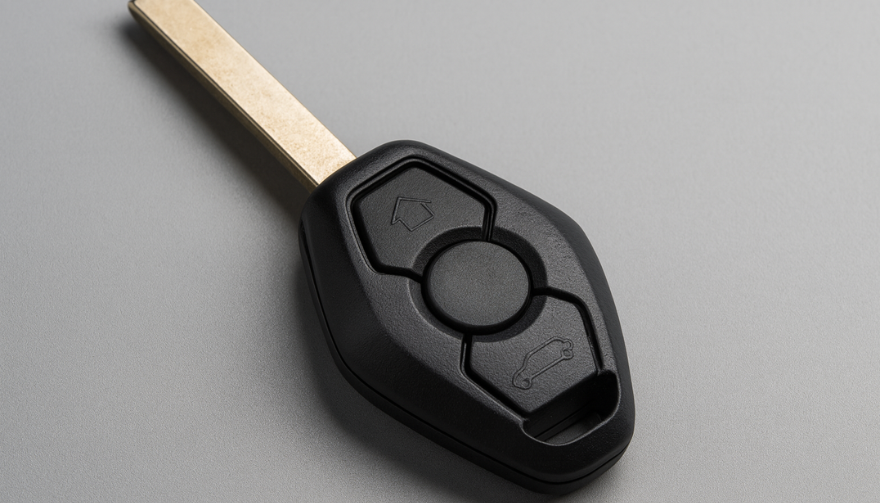


BMW Key Types (Quick Identification)


BMW Key StyleModel Years (Approx.)Identification Clues
Classic metal keyPre-1995No remote buttons, some have a small built-in torch light
Diamond key (EWS)1995–2005Diamond shape, 3 buttons, no battery door, rechargeable inside ignition
Slot-in rectangular key (CAS)2004–2010Flat fob, removable emergency key blade, sliding battery cover
Comfort Access key (Keyless)2010–2019Keyless start, similar shape to slot key, CR2032 battery
BMW Display Key2016+ (high-end models)LCD touchscreen on fob

Example model guidance:

E46, E39, E53 X5: Diamond key

E90, E60, E70, E87: Rectangular slot key

F10, F30, F25: Comfort Access style

G11 7-Series, i8: Display Key


For model confirmation, use a free BMW VIN decoder such as the one referenced on the BMW Owners Portal.
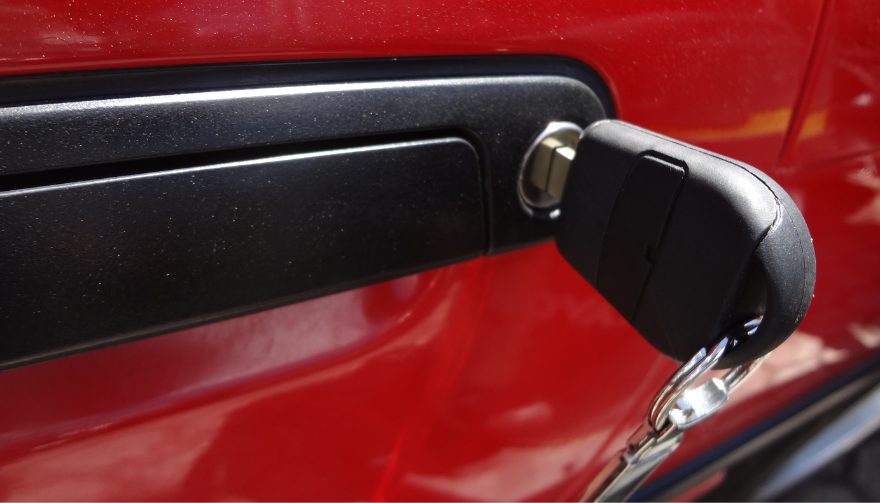


Step-by-Step: Confirm Your Correct BMW Key Case


1) Check physical shape and buttons


Count buttons, note shape, and check for removable blade or battery hatch.


2) Look for

FCC ID

/

Part Number


Inside the shell or on the back you may find codes like:


FCC ID: KR55WK49127, NBGIDGNG1

BMW part numbers starting with 66 12…


Matching part numbers ensures correct fit, even for look-alike shells.


3) Confirm blade type (if applicable)


Common BMW blade profiles: HU58, HU92, HU100.


4) Cross-check model and production year


BMW changed key systems by chassis generation. If unsure, a BMW dealer can confirm via VIN — per BMW policy, keys are VIN-matched for security.
 

Ordering & Cutting Your BMW Key


When you order a BMW key case online, you will either:


✔ Transfer your existing electronics


No immobilizer programming required if you keep your transponder.


✔ OR get a new blade cut


Professional cutting can be done by photo or by key code, allowing fast remote service without visiting a locksmith.


Most BMW keys can be cut accurately from a high-resolution photo using digital bitting extraction, a process also documented in locksmith standards.


Important: Shell-only replacements do not program the transponder; if you need a new key, a locksmith or dealer must program it to the vehicle.


BMW Key Replacement FAQ


Can I replace only the case?

Yes. If electronics work, transfer them into a matching case.


Do I need programming?

Not if you keep the same transponder chip. New keys require programming.


Can BMW keys be cut by photo?

Yes. High-accuracy digital decoding allows cutting from an image.


How long is BMW key delivery when ordering online?

Typically 3-4 days depending on region and shipping speed.


Do Comfort Access keys use a special case?

Yes. Ensure the case is specified as Comfort Access compatible.


Ready to Order the Correct BMW Key Case?


If you’re unsure, send photos of your key and vehicle model details — our specialists will help identify the correct case before purchase.


✓ BMW key cases for all generations

✓ Key cutting via photo or code

✓ Fast worldwide BMW key delivery

✓ Secure and privacy-verified ordering


Visit our shop at MR-KEY.com to identify and order the correct BMW key case.

Related Posts

How to Easily Find Your Key Code for a Hassle-Free Replacement

How to Easily Find Your Key Code for a Hassle-Free Replacement

When it comes to replacing a car key , knowing your key code is essential. This code allows you to obtain a precise duplicate, ensuring that your new key fits seamlessly without any issues. Whether you've lost your key, broken it, or simply need a spare, understanding where to locate this code can make the replacement process faster and more affordable. In this guide, we’ll walk you through what a key code is, where to find it, and tips to ensure a smooth replacement process. Why Is the Key Code Important? A key code is more than just a number; it's a unique identifier that tells a key cutter exactly how to replicate your key. Without it, the process can be longer, more complicated, and potentially costly if the key doesn’t match your vehicle’s lock. Ensures a Perfect Fit : The key code guarantees that your new key will be cut to match your original one precisely. Saves Time and Money : With the correct code, you can avoid trial and error, reducing the risk of needing multiple key replacements. Improves Security : Knowing the exact specifications of your key can prevent unauthorized duplicates. Types of Key Codes Key codes come in different types depending on the key and vehicle model. Here are the main types: Direct Code : Often a 4 to 8-digit code, this code can be entered directly into a key-cutting machine for accurate replication. Indirect Code : This type of code requires a conversion chart to find the direct key code. Though indirect codes aren’t as common, they may still appear on some older models. Blind Code : Sometimes, the code may not be directly readable or is hidden in the key's design. These require decoding using a specialized tool or software. Understanding which type of code you have can make the process smoother when you’re ready to replace your key. Common Locations for Key Codes Finding the key code isn’t always straightforward, but with a few tips, you can track it down more easily. Here are the most common places to check: 1. Vehicle Manual Your vehicle’s manual often contains useful information, including the key code. It’s usually found in the section detailing the vehicle’s locking system. The manual may also provide guidance on other important security features, so it’s a great place to start. Tip : If you can’t find it in the manual, try looking in the index under “keys” or “security.” 2. Key Fob or Key Itself For some keys, the code is printed directly on the key or key fob. Look closely at the metal part of the key or the plastic casing for a small series of numbers. This code may be faint, so you may need a magnifying glass or good lighting. Tip : Be cautious when handling the key to avoid damaging the code. A worn key can sometimes obscure the code, so check carefully. 3. Vehicle Registration and Documents Some vehicle documents, especially those you receive when you first purchase the car, may include the key code. Check any paperwork related to the purchase, including sales documents, registration, and the car title. Tip : Keep these documents safe as they contain essential information for ownership and replacement needs. 4. Original Key Packaging If you have access to the original packaging of the key, such as a bag or box, the key code is sometimes printed there. This is especially common if the key came from a dealer or as part of a new car purchase. Tip : Always save key packaging, as it can provide helpful information for future reference. 5. Contacting the Dealership If you’re unable to locate the code yourself, you can reach out to the dealership where you purchased the vehicle. Dealerships often keep records of key codes, especially if the vehicle is still under warranty. Some may provide the code for free, while others might charge a fee. Tip : Have your vehicle identification number (VIN) handy when contacting the dealership, as it can help verify your ownership. Tips for Safe Key Code Storage Once you have located your key code, it’s important to keep it safe to make future replacements easier. Here are some tips: Store Digitally : Save the code in a secure document on your phone or computer. You can even use a password-protected note or cloud storage. Keep a Physical Copy : Write down the code and store it with other important vehicle documents, like your insurance and registration. Avoid Sharing the Code : Treat the key code like a password; only share it with trusted professionals when necessary for replacements. What to Do if You Can’t Find the Code If your search for the code has been unsuccessful, don’t worry—there are still options. Here’s what to do: Contact a Professional : Some professionals can create a new key by decoding the lock without needing the original key code. This is particularly helpful if you’ve lost all copies of your key. Request Assistance from the Manufacturer : In some cases, you can contact the vehicle’s manufacturer for support. They may ask for documentation proving ownership and might provide the code directly or guide you through the next steps. Benefits of Knowing Your Key Code Having the key code at your fingertips offers several advantages, whether you need a quick replacement or simply want peace of mind. Saves Time in Emergencies : If you lose your key unexpectedly, having the code handy allows for faster replacements. Lower Replacement Costs : With the exact code, key makers can avoid unnecessary recutting, saving you money. Simplifies Multiple Key Requests : If you need multiple copies, the code makes it easy to obtain several accurate replacements without errors. Locating and safely storing your key code can simplify the replacement process significantly. By knowing exactly where to look for the code and keeping it secure, you can avoid potential stress and save both time and money when the need for a replacement arises. Taking these steps now ensures that, should you ever need a new key, the process will be as smooth and efficient as possible.

How to Maintain and Extend the Life of Your Car Keys

How to Maintain and Extend the Life of Your Car Keys

Your car keys are more than just tools to unlock and start your vehicle—they’re essential components for your car's convenience and security. Taking proper care of them can prevent unexpected failures and ensure they last for years. Here are seven easy and practical tips to help you keep your car keys in the best condition possible. 1. Keep Your Keys Clean and Dry Why It Matters: Moisture and dirt are the biggest enemies of car keys, particularly electronic fobs. Exposure to these elements can cause internal corrosion and failure. How to Do It: Avoid Moisture: Keep your keys away from water, rain, and high humidity. If they accidentally get wet, dry them immediately with a soft, absorbent cloth. Regular Cleaning: Gently wipe your keys with a clean cloth to remove dirt and dust. For crevices around buttons, use a cotton swab to clean hard-to-reach areas. 2. Handle Your Keys with Care Why It Matters: Dropping, tossing, or mishandling your keys can cause physical damage or misalign internal components, rendering them unusable. How to Do It: Avoid Drops: Be mindful when handling your keys. Attach them to a lanyard or key holder for better grip and to reduce accidental drops. Use a Protective Key Cover: A well-fitted key cover adds an extra layer of protection against scratches, drops, and general wear and tear. Plus, they’re available in various styles to match your preferences. 3. Replace Key Fob Batteries on Time Why It Matters: A weak battery can lead to your car key fob failing to work when you need it most, leaving you stranded or locked out. How to Do It: Watch for Warning Signs: If your key fob’s range decreases or requires multiple presses to function, the battery is likely weak and needs replacement. Replace Properly: Follow your car’s manual for step-by-step instructions on changing the battery. Using the correct battery type ensures reliable performance. 4. Protect Your Keys from Extreme Temperatures Why It Matters: Excessive heat or cold can harm the electronic components inside your key fob or damage the metal of traditional keys. How to Do It: Avoid Direct Sunlight and Heat: Don’t leave your keys exposed to the sun on your dashboard or near heaters. Extreme heat can warp materials and damage internal circuits. Keep Away from Freezing Temperatures: In colder months, avoid leaving your keys in your car or outside for prolonged periods, as freezing conditions can impact their functionality. 5. Rotate and Use Spare Keys Why It Matters: Spare keys can deteriorate if left unused for long periods. Regularly using them ensures they remain functional and ready in emergencies. How to Do It: Alternate Keys: Use your spare key occasionally to keep it in good working condition. This prevents any surprises when you actually need it. Safe Storage: Store spare keys in a dry, cool place, away from moisture, heat, or any magnetic devices that could interfere with their programming. 6. Avoid Overloading Your Keychain Why It Matters: A heavy keychain might seem harmless, but the extra weight can wear down your car’s ignition switch or damage your key over time. How to Do It: Limit What You Carry: Stick to the essentials—remove unnecessary keys, charms, or heavy accessories. Use Lightweight Keychains: Choose minimalistic and lightweight keychains to prevent undue stress on the ignition and the key itself. 7. Regularly Inspect for Wear and Tear Why It Matters: Keys, especially those with buttons or electronic components, can show signs of wear over time. Early detection helps avoid complete failure. How to Do It: Look for Physical Damage: Check for cracks, faded buttons, or scratches that might affect functionality. Seek Professional Help: If you notice significant wear or damage, consult a professional locksmith or dealership for repairs or replacement. Ignoring issues could lead to bigger, costlier problems down the line. Why Car Key Maintenance is Worth Your Effort Properly maintaining your car keys ensures they stay reliable, functional, and secure for years to come. Whether it’s a traditional key or a modern electronic fob, these small actions can save you from costly replacements or inconvenient malfunctions. Taking care of your keys isn’t just about preventing problems—it’s also about convenience, peace of mind, and getting the most out of your vehicle’s features. By following these simple tips, you’ll keep your car keys in top shape and avoid the stress of unexpected failures.

How to Program a Car Key: A Step-by-Step Guide

How to Program a Car Key: A Step-by-Step Guide

Lost Your Car Key Programming? Here's What to Do Have you ever lost your car keys or found yourself with a spare key that doesn’t start your vehicle? While the process of programming a car key might seem intimidating, it’s often simpler than you’d expect. In many cases, car owners can program keys themselves without needing a visit to a dealership. This guide walks you through the essentials of car key programming, helping you save time, effort, and potentially a significant amount of money. Understanding Car Key Programming: The Basics Car key programming is the process of syncing a key with a car's internal computer so it can communicate securely. Modern vehicles use transponder keys or smart keys equipped with chips that emit a unique signal. Without proper programming, these keys won’t function, even if they fit perfectly into the ignition. While older mechanical keys didn’t require programming, today’s advanced systems add a layer of security, reducing the risk of car theft. However, this added sophistication means that replacing or reprogramming a key is no longer as simple as cutting a piece of metal. Quick Tip: Check your vehicle’s owner manual to see if programming your car key is a DIY-friendly process, as some models allow self-programming, while others require professional tools. Step-by-Step Guide to Programming a Car Key Before starting, ensure you have all necessary tools and information: The vehicle’s owner manual. All keys that need programming, including the functional ones. Step 1: Access Programming Mode Start by sitting in the driver’s seat with all the doors closed. Insert the already functional key into the ignition and turn it to the “on” position (do not start the engine). Some vehicles require you to cycle the key between “on” and “off” positions a specific number of times to enter programming mode. Step 2: Add the New Key Once in programming mode, remove the functional key and quickly insert the new key into the ignition. Turn it to the “on” position. The vehicle’s security light may flash to indicate the key has been successfully programmed. Step 3: Test the Key After programming, remove the new key and test it to ensure it can start the car and unlock the doors. Note: Each car manufacturer has unique programming steps. Be sure to consult your owner’s manual or the manufacturer’s website for specific instructions. When Professional Help Is Needed While many vehicles allow for DIY key programming, others require specialized equipment or software that only dealerships or locksmiths can access. This is particularly true for luxury or high-end cars with advanced encryption and security features. If your DIY efforts fail, it’s best to seek help from a certified professional. Visiting a dealership is a reliable, albeit more expensive, option. Alternatively, professional locksmiths often provide programming services at a lower cost, making them a practical choice for many drivers. Costs and Considerations The cost of programming a car key varies significantly based on the vehicle’s make and model. For basic models, self-programming might cost nothing if you already have a functional key. However, professional programming can range from $50 to $300 or more, especially for smart keys or proximity fobs. To minimize costs: Have a spare key : Always keep a functional spare to simplify programming if a replacement is needed. Research costs : Call local locksmiths or dealerships to compare pricing. Empower Yourself with Knowledge Programming a car key doesn’t have to be a daunting task. With the right tools and information, many car owners can handle the process themselves, saving time and money. However, it’s essential to recognize when professional assistance is necessary, particularly for complex key systems. By understanding the basics of car key programming and following a step-by-step approach, you can ensure your vehicle remains secure and functional. So, whether it’s a spare key or a replacement, you now have the confidence to tackle the task or know where to turn for help.

The Importance of Regularly Updating Your Car's Key Fob Software

The Importance of Regularly Updating Your Car's Key Fob Software

In the digital age, vehicle security has evolved beyond traditional locks and keys. Modern cars rely on sophisticated electronic systems, with key fobs playing a crucial role in convenience and safety. However, many car owners overlook the importance of regularly updating their key fob software. Like any other electronic device, key fobs require updates to function optimally and protect against emerging threats. This article explores why keeping your car's key fob software up-to-date is essential for security, functionality, and overall vehicle performance. Enhanced Security Against Keyless Theft One of the primary reasons to update your key fob software is to safeguard your vehicle against hacking and theft. Car thieves have become increasingly tech-savvy, using methods such as relay attacks and key cloning to gain unauthorized access to vehicles. Manufacturers frequently release software updates to counteract these evolving threats, strengthening encryption protocols and implementing new security measures. Regular updates ensure that your vehicle remains protected against the latest hacking techniques, reducing the risk of keyless car theft. Improved Functionality and Performance Software updates do more than just enhance security; they also improve the functionality of your key fob. Updates can optimize the communication between the key fob and the vehicle, ensuring seamless operation of features like remote start, keyless entry, and trunk access. Some updates may also introduce new capabilities, such as extended remote range or better battery efficiency. By keeping your key fob software up to date, you maximize the effectiveness of these features, enhancing your overall driving experience. Fixing Bugs and Resolving Malfunctions Like any software-based system, key fobs can experience glitches or bugs over time. You may notice issues such as delayed responses, intermittent connectivity, or complete failure to unlock or start your car. In many cases, these problems stem from outdated software. Manufacturers release updates to fix such bugs, ensuring that your key fob operates smoothly. If you’ve been experiencing issues with your key fob, checking for software updates is a simple yet effective solution. Compatibility with Newer Vehicle Features Automakers continuously upgrade their vehicle software, adding new safety and convenience features. To ensure compatibility, your key fob software must also stay updated. For example, if your car receives an over-the-air (OTA) update that enhances security protocols, an outdated key fob may no longer function correctly. Keeping both your vehicle and key fob software current ensures seamless integration, preventing functionality issues and maintaining an optimal driving experience. How to Update Your Key Fob Software Updating your key fob software may vary depending on the manufacturer and model of your vehicle. Here are a few common ways to ensure your key fob is up to date: Check the Manufacturer’s Website – Automakers often release software updates for key fobs and other electronic components on their official websites. Look for any available updates specific to your vehicle model. Visit a Dealership or Certified Service Center – Many car manufacturers require key fob updates to be installed at an authorized dealership or service center. Technicians can update your key fob and ensure it is properly synced with your vehicle. Use a Mobile App (If Available) – Some modern car brands offer mobile apps that allow users to update their key fob software remotely. Check if your vehicle’s manufacturer provides such an option. Consult Your Owner’s Manual – Your car’s manual may provide instructions on how to check for key fob software updates and whether they can be performed manually. Regularly updating your car's key fob software is a simple yet crucial step in maintaining vehicle security and functionality. Updates help protect against theft, fix software glitches, and ensure compatibility with new vehicle features. Given the increasing reliance on electronic key systems, staying proactive about updates is essential. Whether through a dealership visit or an online update, keeping your key fob’s software current will help you enjoy a safer and more convenient driving experience. Stay informed, stay updated, and keep your vehicle secure.

Chat with us