
Post Name

What is a Key Cover?

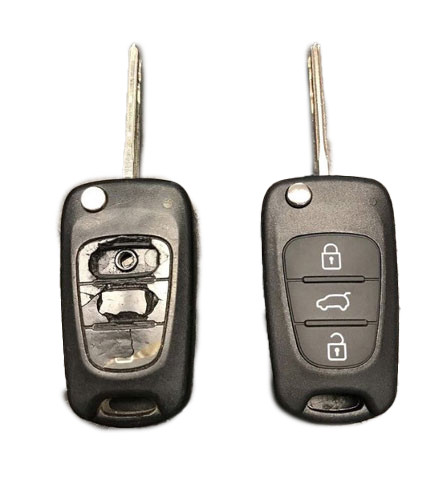
A key cover, often referred to as a key shell or key case, is the outer part of your key. It houses the electronic board, chip, and battery but excludes the internal electronics themselves. If your key casing is damaged, there’s no need to replace the entire key – just changing the key cover can restore its durability and usability while saving you money.

When Do You Need a New Key Cover?

You might need a key cover replacement when:

  • The buttons on your key become worn out or stop responding.
  • The outer case cracks, exposing the internal electronics.
  • The key mechanism no longer functions smoothly.
  • You want to refresh the appearance of your key with a new, sturdy shell.

Instead of struggling with a faulty key, simply replace the cover and extend the lifespan of your original key!
How to Choose the Right Key Cover?

When selecting a replacement key cover, consider the following factors:

  • Button Layout: Ensure that the number of buttons and their symbols match your existing key.
  • Blade Shape: If your key includes an integrated blade, make sure the new shell accommodates it correctly.
  • Quality: A good-quality key cover ensures a snug fit, smooth functionality, and long-lasting durability.

At MR-KEY, we offer a variety of key covers designed to match your specific car model perfectly, providing both aesthetics and functionality.

How to Change Your Key Cover?

Replacing your key cover is simple and doesn’t require professional assistance. Here’s how:

  1. Purchase a compatible key cover from our website.
  2. Open your old key case carefully.
  3. Transfer the electronic board and chip from your original key to the new key cover.
  4. Reassemble the key, ensuring all components fit securely.
  5. Test the buttons and functions to confirm everything is working properly.

For step-by-step guidance, we provide video tutorials on our website, showing you exactly how to change your key shell and even replace the battery if needed.

What Else Can You Change When Replacing the Key Cover?

While changing your key cover, it's the perfect time to:

  • Replace non-functional click buttons on your key’s electronic board.
  • Change the battery since you're already disassembling the key, ensuring it lasts longer.

At MR-KEY, we strive to make key replacements easy, affordable, and accessible to everyone. Explore our website to find the perfect key cover, key cutting services, and useful video guides to help you maintain your car key like a pro!

Povezane Objave

Smart Solutions for Car Key Removal

Smart Solutions for Car Key Removal

Different Types of Car Keys: What Are You Dealing With? First, identify the type of key you use, as this will determine your options: Traditional Metal Keys : Basic, non-electronic keys. Easy to duplicate and affordable to replace. Transponder Keys : Keys with a chip for electronic communication with your car’s ignition. Remote Key Fobs : Allow remote locking, unlocking, and sometimes starting of your car. Smart Keys : Push-button start and keyless entry, offering high-tech convenience. Skip the Dealership: Affordable Alternatives for Key Replacement Dealerships often charge premium rates for key replacements. Here are more budget-friendly options: Automotive Locksmiths : Experts in creating and programming replacement keys, including transponder and smart keys. Usually quicker and cheaper than a dealership. DIY Key Duplication Kiosks : Found in hardware stores and supermarkets. Great for duplicating traditional metal keys on the spot. Online Key Retailers : Purchase replacement keys or fobs online at competitive prices. Ensure compatibility with your vehicle and be prepared to find a professional to program electronic keys. What to Do If You’ve Lost Your Key Losing a car key is inconvenient, but following these steps can simplify the replacement process: Look for a Spare : Check whether you have a backup key available. Determine Key Type : Understand what kind of key you need replaced. Gather Car Details : Have your car’s make, model, year, and Vehicle Identification Number (VIN) handy. Contact a Professional : Reach out to an automotive locksmith or trusted replacement service for assistance. How to Remove a Broken Key From a Lock If a key snaps off in your car’s lock, don’t panic. Try one of these methods: Use Needle-Nose Pliers or Tweezers : Carefully pull out the broken part if it’s sticking out. Broken Key Extractor Tool : Insert this tool into the lock to hook and remove the key fragment. Apply Lubrication : Spray a lubricant like WD-40 to make extraction smoother. If these options don’t work, a professional locksmith can extract the key safely. Prevent Key Mishaps Before They Happen Duplicate Keys : Keep a spare key in a safe, accessible place to avoid emergencies. Attach a Key Tracker : Use a Bluetooth tracker to quickly find misplaced keys. Inspect Your Keys : Regularly check for wear and tear to avoid breaks. Quick and Smart Solutions Keep You Moving Losing or breaking your car keys doesn’t have to lead to frustration or hefty expenses. With the right approach, you can find affordable solutions and even take steps to prevent future mishaps. Why waste more time and money? Simply send us a picture of your key, and we’ll handle the rest. Quick, easy, and affordable—let Mr Key take care of your car key replacement needs today!

Understanding the Different Types of Car Keys and Their Functions

Understanding the Different Types of Car Keys and Their Functions

Unlocking the World of Car Keys Car keys have come a long way from simple metal tools to high-tech devices designed to enhance convenience and security. As vehicles evolve, so do the keys that unlock and operate them. Whether you’re a car enthusiast or a driver navigating modern technology, understanding the different types of car keys and their functions can help you appreciate their role in your vehicle’s performance and safety. This guide explores various car key types, their unique features, and the technologies behind them. Traditional Car Keys: The Classics Traditional car keys, often referred to as mechanical keys, are the simplest type of car keys. These are commonly found in older vehicles and rely on a basic metal blade that fits into the car’s ignition and door locks. Key Features of Traditional Keys: Require no electronic components. Depend on physical alignment to operate the lock or ignition. Can be duplicated easily using a standard key-cutting machine. While these keys are straightforward to use and replace, they lack the advanced security features of modern alternatives, making them more vulnerable to theft. Transponder Keys: Enhanced Security Transponder keys are a significant upgrade from traditional keys, incorporating a small electronic chip inside the plastic head of the key. This chip communicates with the vehicle's computer system to authenticate the key before the car starts. How Transponder Keys Work: The chip transmits a unique signal to the car’s receiver when the key is turned in the ignition. If the signal matches, the car starts; if not, the engine remains immobilized. Benefits of Transponder Keys: Reduced risk of car theft due to their encryption technology. Widely used in most vehicles manufactured after the mid-1990s. However, duplicating or replacing a transponder key requires specialized equipment, making it more expensive than traditional keys. Smart Keys: The Modern Marvels Smart keys represent a leap into advanced automotive technology. These keys are typically used in vehicles with keyless entry and push-button start systems. Instead of inserting a key into the ignition, drivers simply need to have the smart key inside the vehicle. Key Features of Smart Keys: Allow for keyless entry and ignition. Use radio frequency identification (RFID) or Bluetooth technology to communicate with the car. Often come with additional functions, such as opening the trunk or remotely starting the vehicle. Advantages of Smart Keys: Enhanced convenience and ease of use. Advanced security features to deter theft. Despite their benefits, smart keys are expensive to replace and rely heavily on battery power. Remote Keys: A Blend of Mechanical and Digital Remote keys, often combined with transponder technology, offer the ability to lock and unlock car doors at the push of a button. They are commonly included in modern car key fobs and sometimes have a physical blade as a backup. Features of Remote Keys: Control doors, windows, and sometimes the trunk remotely. Combine traditional key functions with modern convenience. These keys are versatile and user-friendly but may require reprogramming if the battery is replaced or the signal becomes disrupted. Key Cards: Compact and Stylish Key cards are a relatively new addition to the world of car keys, commonly used in high-end and electric vehicles. These slim, credit card-sized devices function like smart keys and communicate wirelessly with the vehicle. Advantages of Key Cards: Compact and easy to carry. Offer the same functionality as smart keys, including keyless entry and ignition. While key cards are sleek and innovative, they are prone to damage due to their thin design and may not be as durable as traditional keys. Valet Keys: Limited Access Valet keys are designed to offer restricted functionality, allowing a valet or another driver to operate the car without accessing certain areas, such as the glove compartment or trunk. Purpose of Valet Keys: Provide limited access to the vehicle for security purposes. Prevent unauthorized access to personal belongings. Valet keys are a practical solution for safeguarding your possessions while still enabling temporary access to your car. Digital Keys: The Future of Key Technology Digital keys are the latest innovation in car key technology, allowing drivers to use their smartphones or smartwatches to unlock and start their vehicles. How Digital Keys Work: Use NFC (Near Field Communication) or Bluetooth to interact with the vehicle. Allow for remote access, such as locking or unlocking the car from a distance. Benefits of Digital Keys: Eliminate the need for a physical key. Offer enhanced customization, such as granting temporary access to other users. As convenient as they are, digital keys rely on smartphone technology and can be vulnerable to hacking if not properly secured. Choosing the Right Key for Your Needs Car keys have evolved into sophisticated devices that combine functionality, convenience, and security. Whether you’re using a traditional key or embracing the future with a digital key, understanding the type of key your vehicle uses can help you maintain it properly and replace it if necessary. By staying informed about the different types of car keys and their unique functions, you can make smarter choices when it comes to safeguarding your vehicle and enjoying the driving experience to the fullest.

The Essential Car Parts Guide: Understanding Your Vehicle's Core Components

The Essential Car Parts Guide: Understanding Your Vehicle's Core Components

Unveiling the Anatomy of Your Car Your car is more than just a mode of transportation—it's a complex machine composed of various parts working in harmony to ensure smooth and safe driving. Understanding these essential car parts not only helps you appreciate your vehicle better but also empowers you to identify issues, perform basic maintenance, and communicate effectively with mechanics. In this guide, we’ll explore the key components that keep your car running and why they’re vital for optimal performance. 1. Engine: The Heart of Your Vehicle The engine is the powerhouse of your car, converting fuel into energy to propel the vehicle forward. There are various types of engines, including: Internal Combustion Engines (ICE): Common in most vehicles, using gasoline or diesel. Hybrid Engines: Combining a traditional engine with an electric motor for better efficiency. Electric Motors: Found in EVs, powered by rechargeable batteries. Key components within the engine include pistons, the crankshaft, and the timing belt. Regular maintenance like oil changes and timely inspections are crucial for keeping the engine in good condition. 2. Transmission: Changing Gears Made Easy The transmission system ensures that power from the engine is transferred to the wheels at the correct speed and torque. There are two main types of transmissions: Manual Transmission: Requires the driver to shift gears manually. Automatic Transmission: Shifts gears automatically, providing greater convenience. Proper transmission fluid levels are essential for smooth gear transitions and the longevity of the system. 3. Battery: Your Vehicle's Power Source The car battery supplies the electrical power needed to start the engine and operate various electrical systems, such as lights, wipers, and infotainment. Modern vehicles may also include auxiliary batteries for additional power needs. Maintenance Tip: Regularly check battery terminals for corrosion and ensure proper voltage levels, especially in extreme weather conditions. 4. Braking System: Your Lifeline on the Road The braking system ensures the vehicle slows down or stops when needed, making it a critical safety component. Key parts include: Brake Pads and Rotors: Convert kinetic energy into heat, slowing the car down. Brake Fluid: Transfers force from the brake pedal to the braking mechanism. Regular inspection of the braking system can prevent wear and ensure reliability. 5. Tires and Wheels: Where the Rubber Meets the Road Tires and wheels are vital for traction, handling, and overall vehicle stability. There are various types of tires designed for specific conditions, such as all-season, winter, and performance tires. Maintenance Tip: Regularly check tire pressure, alignment, and tread depth to ensure safe driving and optimal fuel efficiency. 6. Suspension System: Smoothing Out the Ride The suspension system absorbs shocks from uneven road surfaces, ensuring a smooth and stable ride. Key components include: Shock Absorbers: Reduce impact from road irregularities. Struts and Springs: Provide structural support and maintain balance. A well-maintained suspension system enhances comfort and handling. 7. Exhaust System: Keeping Emissions in Check The exhaust system directs harmful gases away from the engine and reduces emissions. Key components include the muffler, catalytic converter, and exhaust pipes. Environmental Note: A faulty exhaust system can increase emissions and negatively impact air quality. Regular checks are essential for compliance with emission standards. 8. Cooling System: Preventing Overheating The cooling system regulates the engine's temperature to prevent overheating. It includes components like the radiator, coolant, and thermostat. Maintenance Tip: Regularly check coolant levels and inspect hoses for leaks to ensure efficient cooling. 9. Fuel System: Delivering Energy to the Engine The fuel system stores and supplies fuel to the engine for combustion. Key parts include the fuel pump, injectors, and fuel tank. Efficiency Tip: Clean fuel injectors and replace the fuel filter as needed to maintain optimal fuel efficiency. 10. Electrical System: Powering Your Vehicle's Features From the headlights to the infotainment system, the electrical system powers numerous features in your car. It includes wiring, alternators, and fuses. Maintenance Tip: Inspect fuses and ensure the alternator is functioning properly to avoid electrical issues. Empowering Yourself Through Knowledge Understanding the essential parts of your car equips you with the knowledge to maintain your vehicle effectively and address issues proactively. By staying informed, you can extend the life of your car, save on repair costs, and ensure a safer driving experience. Whether you’re a car enthusiast or a regular driver, knowing your vehicle’s anatomy is the first step toward smarter car ownership.

The Complete Guide to Car Key Cutting: Everything You Need to Know

The Complete Guide to Car Key Cutting: Everything You Need to Know

Unlocking the Mysteries of Car Key Cutting Have you ever been in a situation where you needed a spare car key or had to replace a lost one? Car key cutting is an essential process for creating duplicate keys or replacements, but it’s often misunderstood. From traditional keys to modern transponder and smart keys, the art of key cutting has evolved dramatically with advancements in technology. This guide will walk you through the key cutting process, its types, and when professional help is required, helping you navigate the complexities of car key duplication with confidence. What Is Car Key Cutting? Car key cutting is the process of creating a new key that matches the physical shape and specifications of your vehicle’s locks and ignition. This process involves cutting the metal key blade to fit the car’s lock mechanism precisely. For modern cars, this may also include programming the electronic components of the key, such as transponder chips or remote controls. The method used for cutting a car key depends on the type of key and the car model. Traditional keys are simpler to cut, while transponder and smart keys require specialized tools and expertise. Types of Car Keys and Cutting Methods Traditional Keys These are the classic mechanical keys used in older vehicles. Cutting these keys involves duplicating the grooves and ridges of the original key using a key-cutting machine. Transponder Keys Found in most modern cars, transponder keys contain a microchip that communicates with the car’s computer. After cutting the blade, these keys must also be programmed to function. Smart Keys These advanced keys use wireless communication to interact with the car. They don’t require physical cutting but involve programming to sync with the vehicle. Each type of key requires a different approach and level of expertise, making it essential to know what kind of key you have before proceeding with duplication. The Key Cutting Process: Step by Step Identify the Key Type Determine whether you have a traditional, transponder, or smart key. This will dictate the tools and process needed for cutting and programming. Gather Required Information Provide the key cutter with details about your car, such as the make, model, and year. For some keys, a Vehicle Identification Number (VIN) may be required. Cutting the Key Blade For traditional and transponder keys, the blade is cut using a key duplicator or a laser key-cutting machine. Precision is crucial to ensure the key fits perfectly in the lock. Programming (if required) For transponder and smart keys, the key must be programmed to the car’s computer system. This step may require specialized equipment or professional expertise. When to Seek Professional Help While traditional keys can often be duplicated at local hardware stores, transponder and smart keys typically require specialized tools and knowledge. Professional locksmiths and dealerships are equipped to handle these advanced key types, ensuring proper cutting and programming. Reasons to choose a professional: Complexity: Smart and transponder keys require technical expertise. Accuracy: Professionals use precise equipment to ensure the key functions flawlessly. Programming Needs: Only trained specialists can program keys to sync with your vehicle. Cost of Car Key Cutting The cost of cutting a car key varies depending on the type of key and the service provider. Traditional keys are the most affordable, typically costing between $10 and $50. Transponder and smart keys, however, can range from $50 to $300 or more due to the additional programming required. Tips to save money: Have a spare key: This simplifies the duplication process and reduces costs. Compare prices: Contact multiple locksmiths or dealerships to find the best deal. Be Prepared for Every Key Emergency Car key cutting is a vital service for any car owner, whether you’re duplicating a spare key or replacing a lost one. Understanding the process and knowing when to seek professional help can save you time, money, and frustration. By staying informed and proactive, you can ensure that your vehicle remains accessible and secure, no matter what challenges arise.

Razgovarajte sa nama